Nutrition and ADHD: How What You Eat Shapes How You Think
There's a reason we feel sluggish after a heavy lunch, sharper after a protein-rich breakfast, and irritable when our blood sugar crashes. Food doesn't just fuel the body — it directly shapes brain chemistry, neurotransmitter production, and cognitive function. For people with ADHD, this relationship is particularly significant.
The ADHD Brain & Dopamine
ADHD is fundamentally a condition of dysregulated dopamine. What most people don't realise is that the raw materials for dopamine come entirely from food. Dopamine is synthesised from the amino acid tyrosine, which comes from dietary protein. Without adequate protein intake, dopamine production can be compromised, making ADHD symptoms worse.
The Gut-Brain Connection
Your gut contains over 100 million neurons and produces approximately 95% of your body's serotonin. It also influences dopamine production and inflammatory markers — all of which affect brain function.
What supports gut health:
- Fermented foods (yoghurt, kefir, kimchi)
- High-fibre vegetables, legumes, and whole grains
- Prebiotic foods (garlic, onions, asparagus)
- Omega-3 fatty acids (anti-inflammatory effects)
Blood Sugar & ADHD
When blood sugar crashes after refined carbohydrates, the brain experiences a sudden reduction in available glucose. This triggers irritability, poor concentration, impulsivity, and fatigue — particularly destabilising for ADHD brains.
Key principles:
- Never skip breakfast — make it protein-led
- Pair carbohydrates with protein or fat
- Eat every 3–4 hours
- Reduce ultra-processed foods
Key Nutrients for the ADHD Brain
Omega-3 Fatty Acids: Multiple meta-analyses confirm omega-3 supplementation reduces inattention and hyperactivity. Aim for 700mg EPA + 500mg DHA daily.
Iron: Required for dopamine synthesis. Studies find children with ADHD have lower ferritin levels than neurotypical children. Best sources: red meat, lentils, spinach.
Zinc: Plays a role in dopamine metabolism. Best sources: meat, shellfish, pumpkin seeds.
Magnesium: Supports nervous system regulation and sleep quality — both areas of vulnerability in ADHD. Best sources: dark leafy greens, nuts, seeds, dark chocolate.
Vitamin D: Linked to ADHD in multiple studies. Supplement with 400–1000 IU daily, particularly from October to March in the UK.
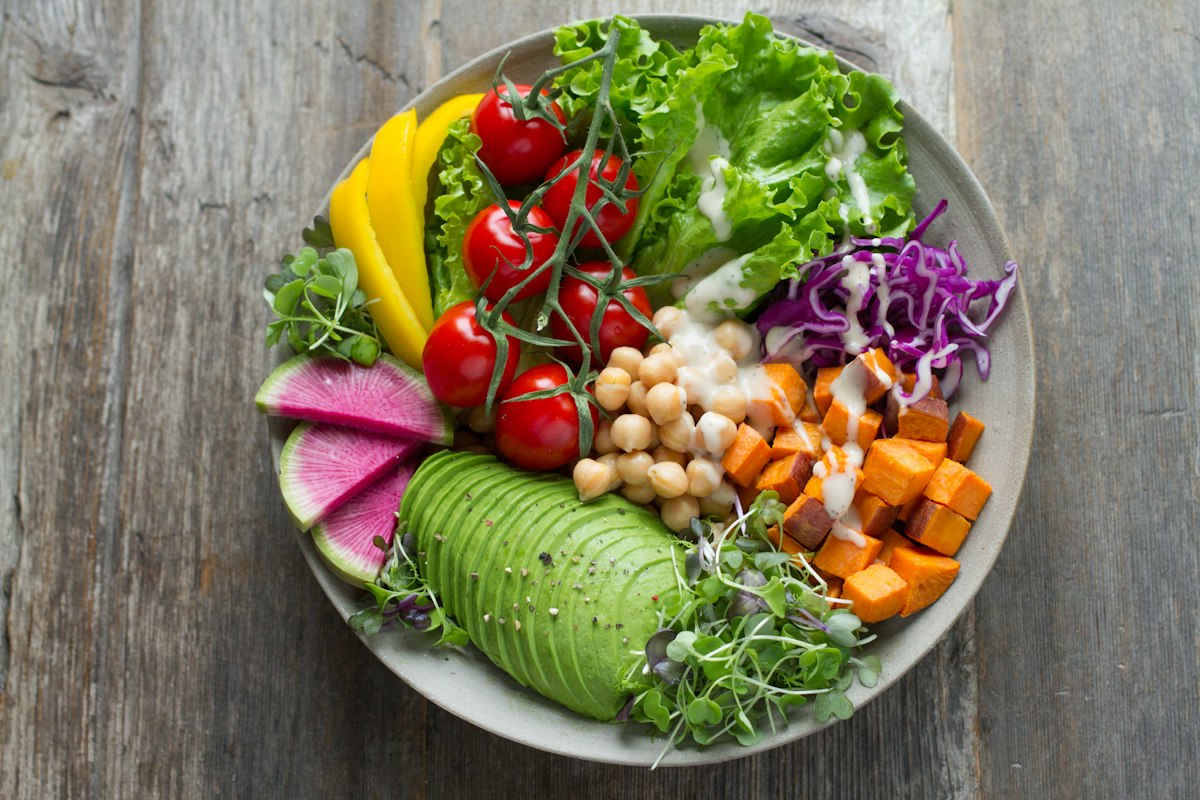
Building an ADHD-Friendly Plate
- ½ plate: Non-starchy vegetables
- ¼ plate: Quality protein (meat, fish, eggs, legumes)
- ¼ plate: Complex carbohydrates (sweet potato, oats, brown rice)
- Healthy fat: Avocado, olive oil, nuts, seeds
Our registered nutritionists specialise in ADHD-informed nutrition. Book a consultation or explore our healthcare plans to find out more.